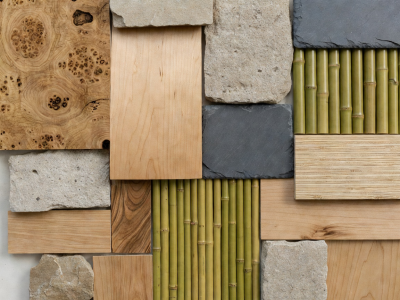
Introduction to Sustainable Material Selection
The foundation of any eco-friendly home begins long before the first wall is framed; it starts with the careful selection of building materials. Traditional construction often relies on resource-heavy, high-emission manufacturing processes. Sustainable home design shifts this paradigm by prioritizing materials that reduce environmental impact throughout their entire lifecycle—from extraction and manufacturing to installation, use, and eventual disposal or recycling.
When selecting sustainable materials, architects and builders rely on Life Cycle Assessments (LCAs). An LCA considers embodied energy (the total energy required to produce the material), transportation footprints, durability, and end-of-life viability. By assessing these factors, homeowners can make informed decisions that balance aesthetics, structural integrity, and ecological responsibility.
Reclaimed and Salvaged Wood
One of the most popular and visually striking choices in sustainable design is reclaimed timber. Harvested from decommissioned barns, old factories, and dismantled residential structures, salvaged wood prevents perfectly good timber from entering landfills. Furthermore, it eliminates the need to fell new trees, preserving old-growth forests and their crucial role in carbon sequestration.
Reclaimed wood is highly sought after for both structural elements, like heavy timber beams, and aesthetic applications, such as hardwood flooring and accent walls. Because this wood has been exposed to the elements and seasoned over decades—or sometimes centuries—it is generally more stable and less prone to warping than fresh lumber. However, it requires careful sourcing and processing. Nails, screws, and potential lead-based paints must be meticulously removed before the material can be safely integrated into a new home.
Recycled Metals and Steel
Steel framing and roofing offer exceptional durability, fire resistance, and structural strength. While the initial production of virgin steel is notoriously energy-intensive, steel is one of the most successfully recycled materials globally. Utilizing recycled steel framing significantly lowers the embodied energy of a residential build.
In modern sustainable design, recycled metal is frequently used for exterior cladding, standing-seam roofing systems, and structural supports in open-plan designs. A key advantage of metal components is their infinite recyclability; at the end of a building's lifespan, the steel can be melted down and repurposed without any degradation in quality. To maximize the sustainable benefits, builders often source regionally recycled metals to minimize the transportation footprint.
Rapidly Renewable Resources: Bamboo and Cork
While hardwoods can take decades to reach maturity, rapidly renewable materials regenerate in a fraction of the time. Bamboo, technically a grass, can grow several feet in a single day and reaches harvest maturity in three to five years. Its exceptional tensile strength and flexibility make it an excellent substitute for traditional wood in flooring, cabinetry, and even structural applications in certain climates.
Cork is another highly renewable resource, harvested from the bark of the cork oak tree. The harvesting process does not harm the tree, which continues to live and sequester carbon while regenerating its bark over a nine-year cycle. Cork is naturally antimicrobial, fire-resistant, and provides excellent acoustic and thermal insulation, making it a premium choice for sustainable flooring and sub-floor layers.
Eco-Friendly Insulation Alternatives
Insulation is critical for energy efficiency, but traditional fiberglass and foam insulations often involve toxic binders or high global warming potential (GWP) blowing agents. Sustainable alternatives are gaining significant market share:
- Cellulose: Made primarily from recycled newsprint treated with borates for fire and pest resistance. It is highly effective at air-sealing and utilizes post-consumer waste.
- Sheep's Wool: A natural, renewable insulator that manages moisture exceptionally well and inherently purifies the air by absorbing specific indoor pollutants.
- Hempcrete: A bio-composite material made from the inner woody core of the hemp plant mixed with a lime-based binder. It provides great thermal mass, breathability, and carbon sequestration, though it acts more as an insulating infill than a load-bearing structure.
Evaluating Costs and Long-Term Value
A common misconception is that sustainable materials are universally more expensive. While certain specialized products (like high-grade reclaimed timber or sheep's wool insulation) may carry an initial cost premium, others, such as recycled cellulose, are highly competitive with conventional alternatives.
Furthermore, evaluating costs strictly on a short-term basis ignores lifecycle savings. Durable materials like recycled steel roofs require fewer replacements, while highly effective eco-insulations drastically lower monthly heating and cooling demands. When factored into the lifetime of a home, the investment in sustainable materials frequently yields significant economic returns alongside environmental benefits.
Conclusion
The materials we choose to build our homes shape not only our immediate living environments but the broader ecological landscape. By shifting demand toward reclaimed, recycled, and rapidly renewable resources, the residential construction industry can significantly reduce its carbon footprint. Whether you are undertaking a minor renovation or building a custom eco-home from the ground up, prioritizing sustainable materials is a fundamental step toward responsible, forward-looking design.