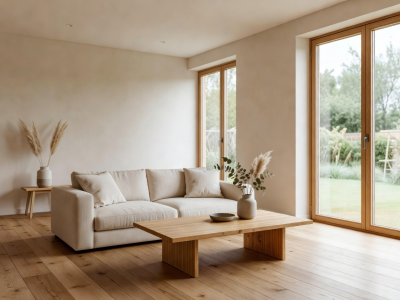
The Invisible Element of Sustainable Design
When discussing green building, energy and water conservation often dominate the conversation. However, the health and well-being of the home's occupants are equally crucial. Indoor Air Quality (IAQ) is frequently compromised in conventional homes due to a cocktail of off-gassing chemicals, inadequate ventilation, and trapped moisture. Because modern energy-efficient homes are built to be extremely airtight, managing the indoor atmosphere requires deliberate, proactive design.
Understanding and Mitigating VOCs
Volatile Organic Compounds (VOCs) are chemicals that easily evaporate at room temperature. They are commonly found in standard paints, varnishes, synthetic carpets, adhesives, and composite wood products (like MDF or plywood containing formaldehyde). Prolonged exposure to VOCs can cause headaches, respiratory irritation, and long-term health issues.
To eliminate these risks, sustainable design prioritizes low-VOC or zero-VOC products. Modern zero-VOC paints offer excellent coverage and durability without the harsh odors or toxic emissions. Similarly, selecting solid wood furnishings, or engineered woods that explicitly use non-toxic, formaldehyde-free binders, prevents harmful off-gassing over the lifespan of the interior finishes.
Natural and Breathable Finishes
Beyond simply avoiding toxins, many designers turn to historically proven, natural finishes that actively contribute to a healthier environment. These include:
- Clay and Lime Plasters: These wall finishes are naturally breathable, helping to regulate indoor humidity. High alkalinity in lime plaster also makes it inherently mold and mildew resistant.
- Natural Oil and Wax Wood Finishes: Instead of synthetic polyurethanes that form an impermeable plastic layer, natural oils (like linseed or tung oil) penetrate and protect wood while remaining entirely non-toxic.
- Natural Fiber Flooring: Replacing synthetic carpets with wool rugs or natural linoleum (made from linseed oil, pine rosin, and cork dust) removes petroleum-based textiles from the home, eliminating associated static and chemical treatments.
Mechanical Ventilation Systems
Because sustainable homes are tightly sealed to prevent energy loss, relying on natural drafts through cracks and gaps is impossible. Mechanical ventilation is mandatory. The gold standard for maintaining impeccable IAQ in a sealed home is the Heat Recovery Ventilator (HRV) or Energy Recovery Ventilator (ERV).
These systems continuously exhaust stale, moist indoor air—typically from bathrooms and kitchens—while drawing in fresh, filtered outdoor air. Before the air streams exit and enter the home, they pass through a heat exchange core. In winter, the outgoing warm air pre-heats the incoming cold air; in summer, the outgoing cool air pre-cools incoming hot air. ERVs also transfer moisture, preventing homes from becoming excessively dry in winter. This continuous exchange guarantees fresh air, filters out exterior pollen and dust, and minimizes energy loss.
Biophilic Design and Indoor Plants
Incorporating natural elements into the home—a concept known as biophilic design—can also support perceived and actual air quality. While the capacity of indoor plants to actively purify air is often overstated in small numbers, robust indoor greenery does contribute to humidity regulation, psychological well-being, and a tangible connection to the natural environment.
Conclusion
A truly sustainable home is a sanctuary that nurtures its inhabitants. By rigorously vetting finishes for toxic compounds, selecting natural materials, and engineering reliable mechanical ventilation, designers can guarantee an indoor atmosphere that is exceptionally clean. Prioritizing Indoor Air Quality is an investment in daily health, comfort, and the overall longevity of a safe living space.